[MONTH DAY][Day of week]
[Event name]
[One or two sentences on what happens and who it is for.] Museum to supply
Thank you for taking the time to preview the website! Only the Home page has been built so far, and it’s here to show you the proposed design and how the site would work.
If the project is approved, I’ll complete the remaining pages and make any requested changes or revisions as part of the quoted project price.
The menu links and the pages they point to are suggestions. Nothing here is set in stone, so if you’d rather organize it a different way we can do that.
Thanks for taking the time to look this over. I appreciate the chance to give the Pahrump Valley Museum a fresh look and make it easier for people to find you.
LaDonna ScheiberBeatty Graphics SM Productions
Southern Paiute families, borax prospectors, cattle ranchers, cotton growers and railroad men all stopped at the same handful of springs in the Mojave. This museum keeps what they left behind.
On view
These are permanent installations, not touring shows. Everything here stays here, every day the doors are open.
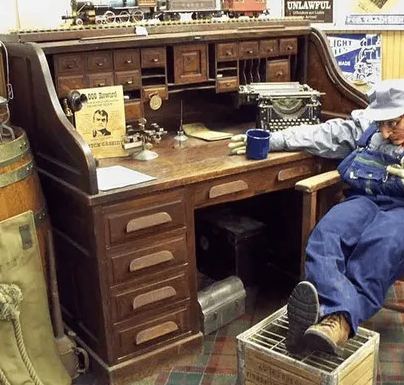
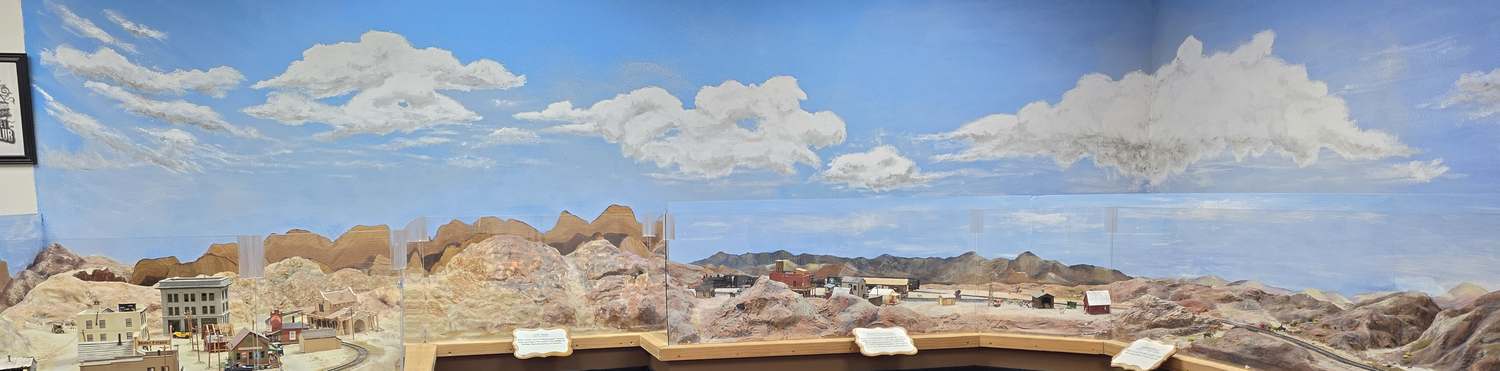
A depot office put back the way it stood, the crossing at standing height with its brass bell, an express crate with two surprising names on it, and three years of volunteer work modeling the Las Vegas to Tonopah line.
Main hall · Allow 30 minutes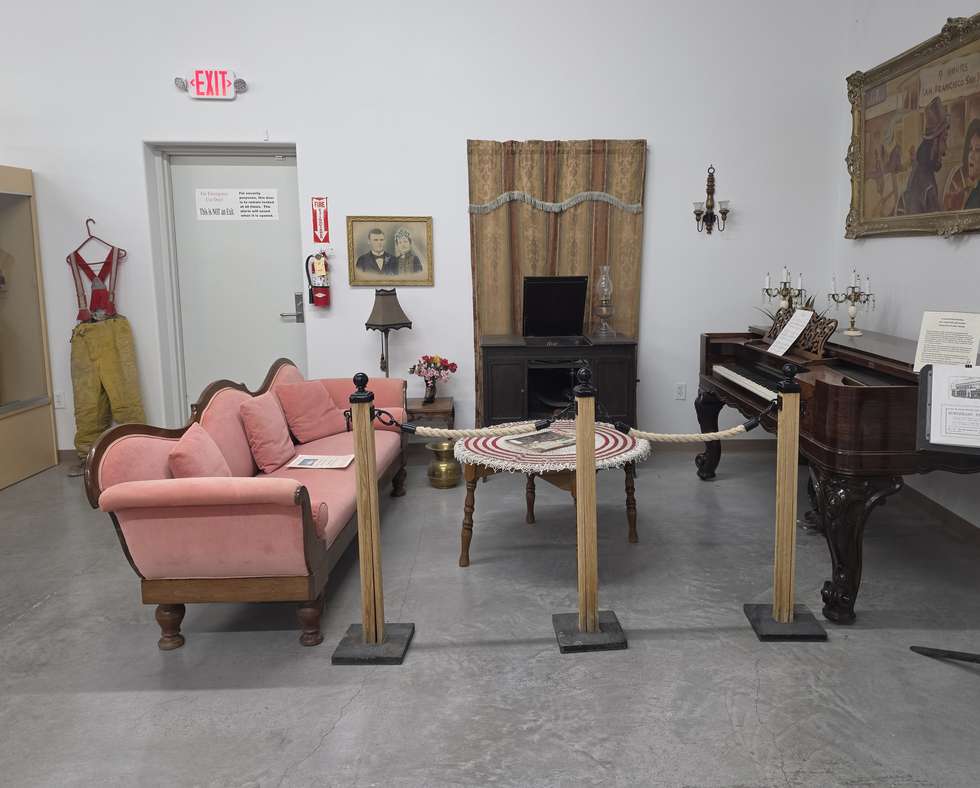
Kitchen, laundry and parlor, furnished out of the valley's own houses. A cast‑iron stove that had to be lit in July, and a square grand piano that somebody hauled out here anyway.
West wing · Allow 20 minutes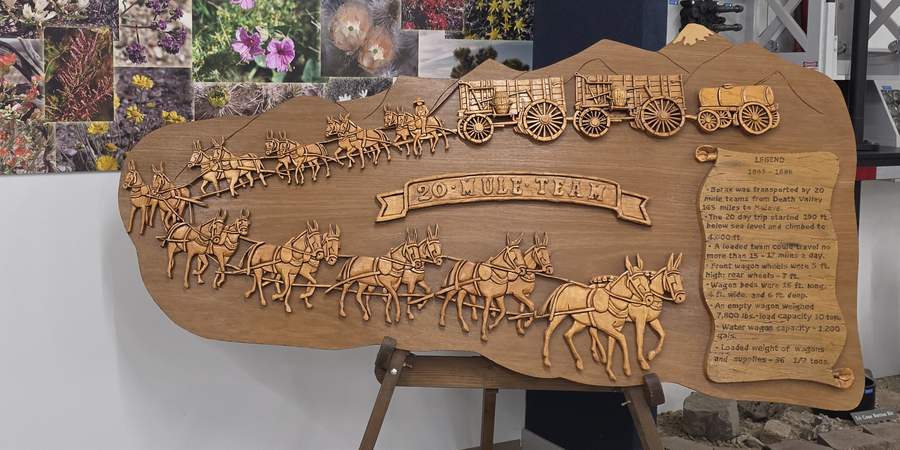
Twenty mules, one hundred and sixty‑five miles, twenty days on the road. The prospector's camp and the rock and mineral cases sit alongside.
Main hall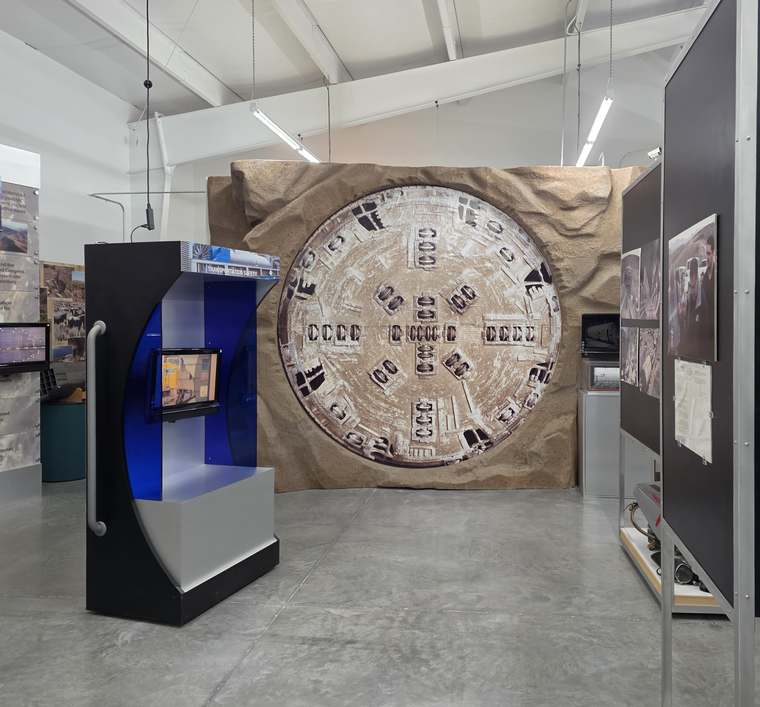
The repository that was proposed, approved and left unfunded, with a full‑size drift liner and photographs on loan from the National Atomic Testing Museum.
East gallery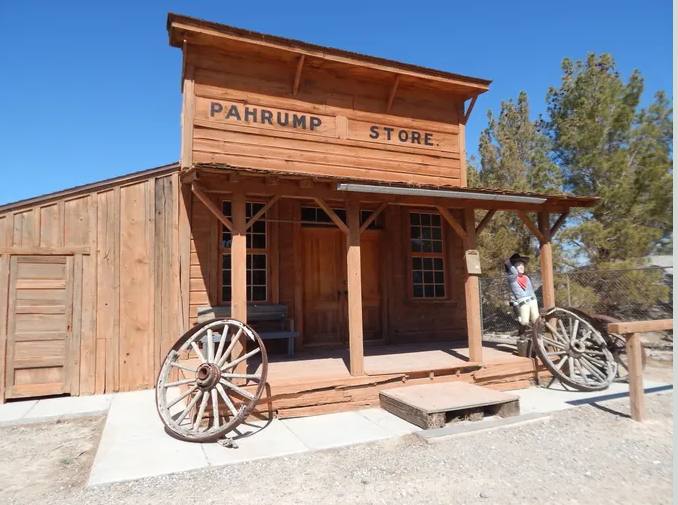
Seven structures moved here board by board, the farm machinery that worked this valley, and a desert garden planted with what actually grows.
Outside · Allow 20 minutesBefore you come
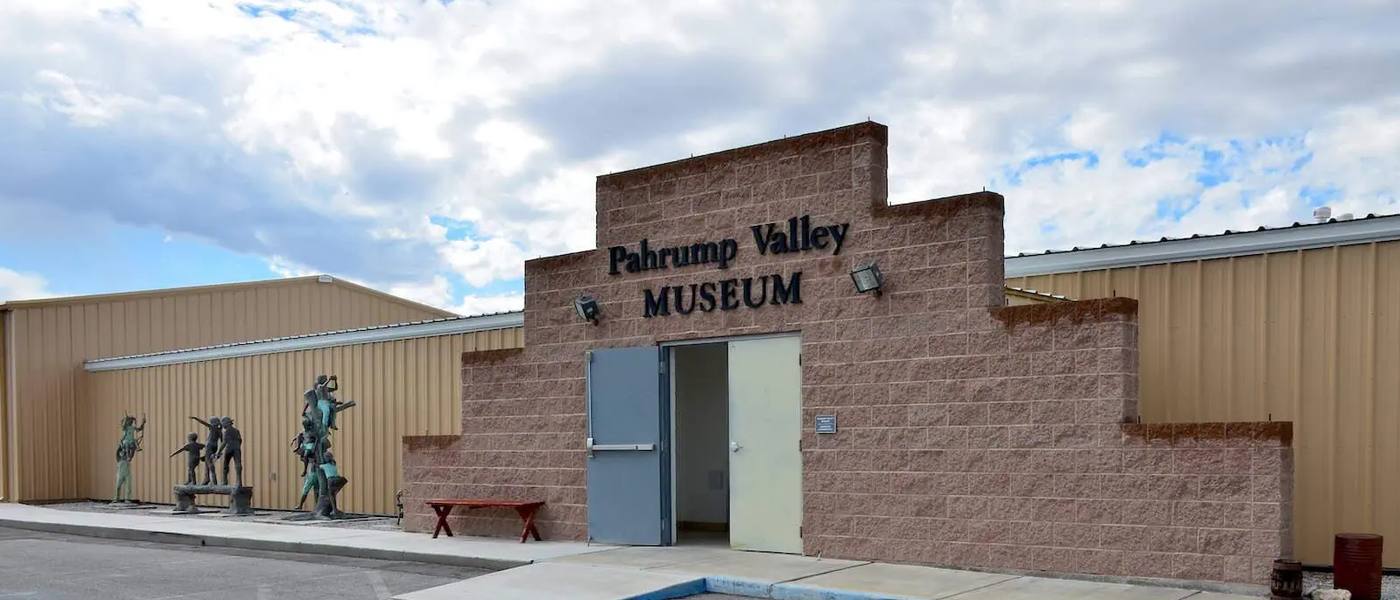
Allow an hour and a half inside and twenty minutes on the grounds. The main building is single storey with level access. The grounds are packed dirt and gravel.
It is run by volunteers, so there is usually somebody at the desk who knows the answer to whatever you are about to ask. Groups and school visits are welcome, and a phone call ahead means someone can walk you round.
What is on
Several local groups meet in this building. Most events are free and nobody minds if you turn up on your own.
[MONTH DAY][Day of week]
[One or two sentences on what happens and who it is for.] Museum to supply
[MONTH DAY][Day of week]
[One or two sentences.] Museum to supply
MonthlyOngoing
The building hosts regular meetings of several local societies. Museum to confirm which groups, and when
Event listings are placeholders. Nothing here is invented, and nothing goes live until the museum supplies the real dates.
The collection
The Pahrump Valley Museum and Historical Society exists to collect and keep the objects, photographs, documents and crafts of this valley. Native American material through pioneer relics, ranching, three railroads, six hundred acres of cotton and a nuclear repository that never opened.
It is volunteer‑run, free at the door, and considerably better than it has any right to be for a town this size.
The long version
The Las Vegas band of Southern Paiute settle around the valley's springs, hunting, gathering and farming small plots at the water. They are here for roughly eight hundred years.
He becomes pakwinavi, the man who organizes the rabbit drives and the festivals, and a leader known well beyond this valley. He lives at Pahrump Spring until his death in 1904.
George M. Wheeler's survey records the “Pah‑rimp Desert and the Pah‑rimp Springs.” Pah is water. What the rest of it means is still argued about.
Charles Bennett puts cattle and crops in at Pahrump Springs. By 1880 he is farming several hundred acres in the middle of the Mojave.
Joseph Yount comes in that June with his wife Margaret, eight children and his son‑in‑law Harsha White. The next year he trades his cattle for the undeveloped Manse Ranch. The 1880s house from their homestead now stands on the museum grounds.
Aaron Winters, who found the borax in Death Valley, pays $20,000 for the Pahrump Ranch with his wife Rosie. Crop prices fall. The ranch fails.
A post office opens at Manse and serves the entire valley until 1914. Stages stop there for supplies on the run west out of Las Vegas.
The Las Vegas & Tonopah reaches Beatty, the transfer point for the mines and ranches. Four miles on, Rhyolite holds three to six thousand people, an opera house and a stock exchange.
John R. Hughes plants the valley's first well‑documented cotton crop and learns too late that virgin desert soil has to be conditioned first. In 1948 Leon Hughes proves it can be done.
The schoolhouse now standing on the museum grounds is built. Two houses framed out of railroad ties follow in 1946.
Congress starts looking for somewhere to put the nation's spent nuclear fuel. A ridge north of this valley is on the list, and stays on it for twenty years.
Founded by a small group who set out to collect and keep the objects, photographs, crafts and documents of the valley. Still volunteer‑driven. Still free to walk into.
Keep reading
The galleries are one version of this. The longer one is here, and it is worth the ten minutes before you drive out.
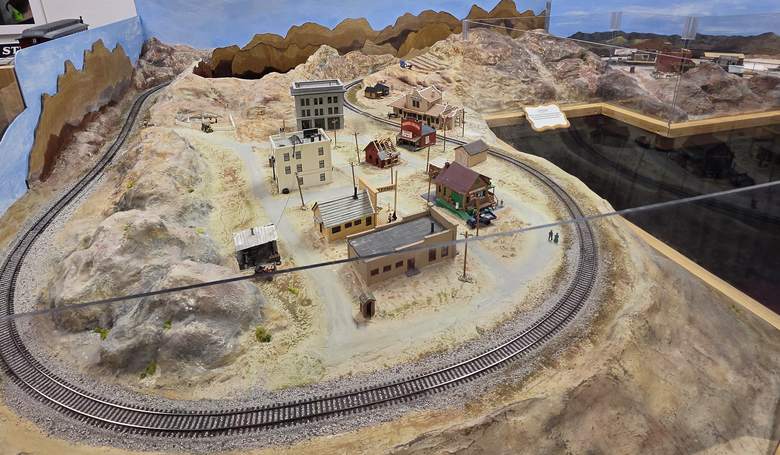
Eight hundred years of Southern Paiute settlement, then Charles Bennett's cattle in 1875, the Younts a year later, borax money, three railroads, six hundred acres of cotton and a repository that never opened. All of it inside one valley.
In the full site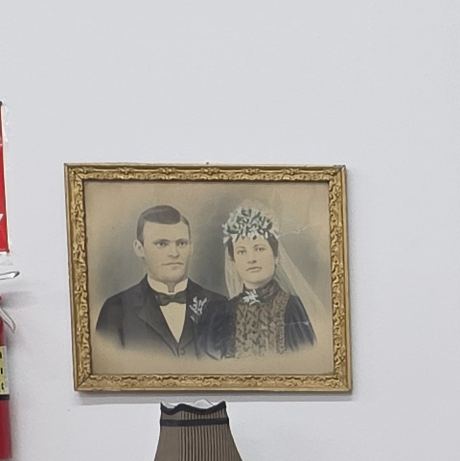
Tecopa, who led here for most of the nineteenth century. Joseph and Margaret Yount, who came in with eight children. Aaron and Rosie Winters, who found the Death Valley borax and then lost a ranch in this valley. And everyone nobody bothered to write down.
In the full site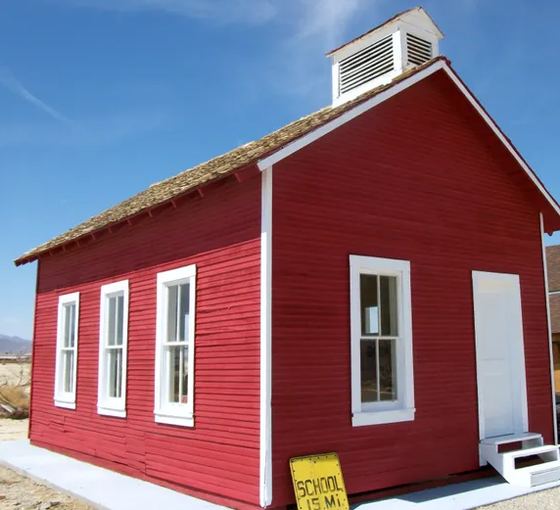
An 1880s house from the Yount homestead, a 1902 store, a 1944 one‑room schoolhouse, two houses framed out of railroad ties and two redwood silos. Every one of them moved here and put back up, board by board.
In the full site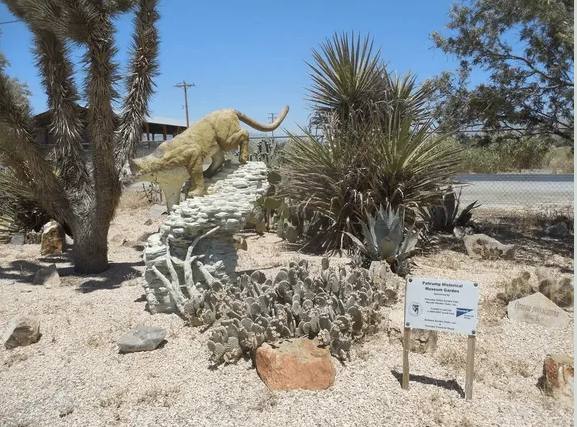
Help keep it open
The museum runs on donations, memberships and the gift shop. Membership is fifteen dollars a year for one person and twenty-five for a family, and it goes straight into keeping the doors open.